Replace missing teeth with a removable solution
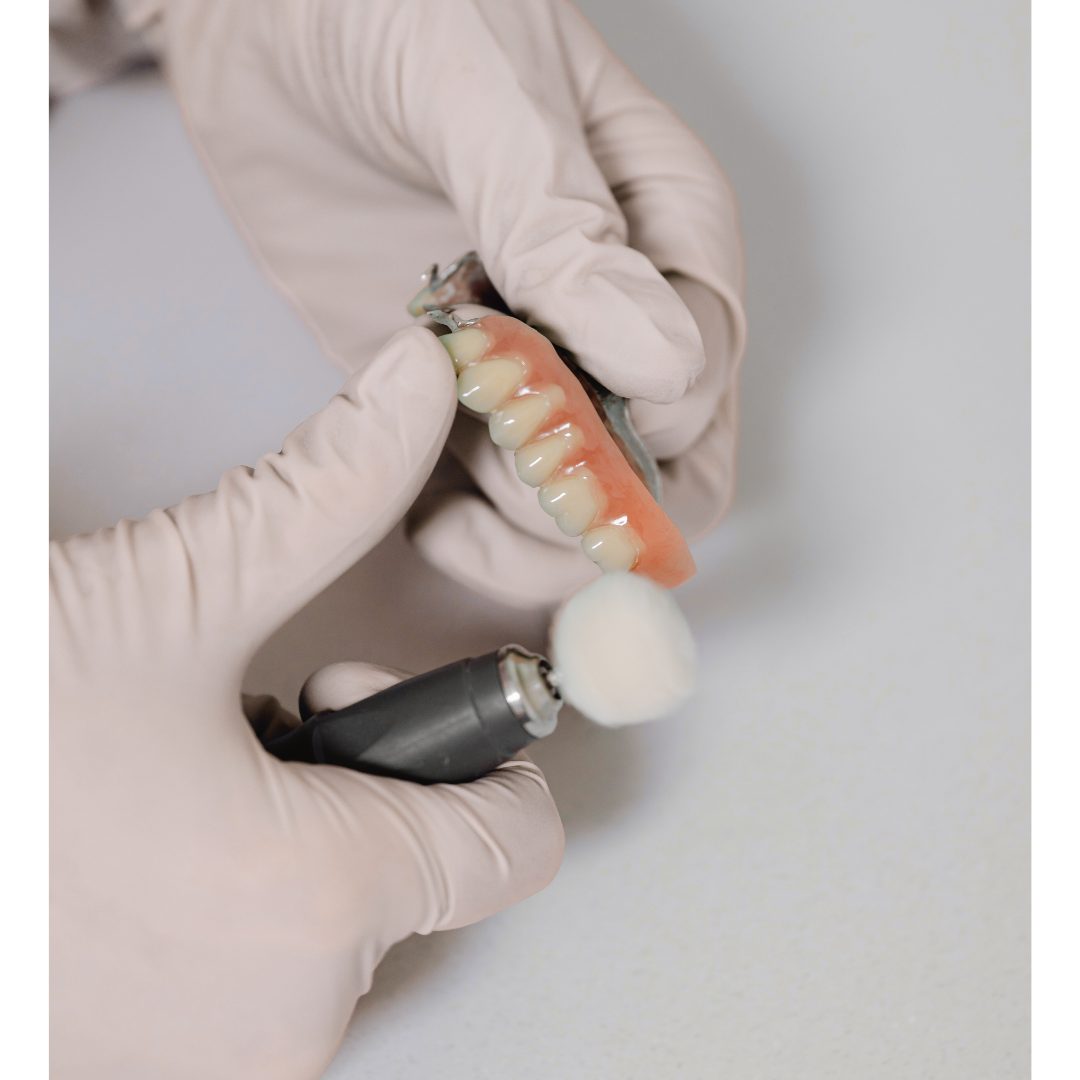
Dentures are custom-made artificial teeth that sit over the gums. Complete dentures can replace all teeth in an upper or lower arch, while partial dentures replace one or more missing teeth and work alongside the teeth you still have. A well-planned denture can improve appearance and help with eating and speech.
How dentures are made
- Your dentist assesses the remaining teeth, gums, bite and jaw relationship.
- Measurements, impressions or digital scans are taken.
- Try-in appointments help check fit, tooth position, bite and appearance.
- Your final denture is fitted and adjusted.
- Follow-up visits address pressure spots and help you adapt.
New dentures can feel unfamiliar at first. Speaking and chewing usually improve with practice, and several adjustments may be needed as your mouth adapts. If dentures are provided soon after extractions, the gums and bone will change during healing and the denture may later need relining or replacement.
Daily care
Remove and clean dentures every day using the method recommended by your dentist. Clean your gums, tongue and any remaining teeth, and usually leave dentures out at night unless your dentist advises otherwise. Attend regular reviews so the fit and the health of your mouth can be checked.
Frequently asked questions
Can I eat normally with dentures?
Most people adapt gradually. Start with softer foods cut into small pieces and increase variety as your confidence improves.
What if my denture becomes loose?
Do not rely on adhesive alone. Changes in the gums and jaw can affect fit, so arrange an assessment for adjustment, relining or replacement.
Are there alternatives?
Depending on your oral health, a bridge or dental implant may also be considered.
Please note: The most suitable replacement depends on your mouth, health, expectations and budget.